
Lighting can transform any room from functional to fabulous, but choosing the right fixture often feels overwhelming. Between pendant lights and chandeliers, the decision goes far beyond looks. Let’s clear up the pendant vs chandelier lighting debate, so you can confidently select the best match for your home’s style, size, and needs.
Understanding Pendant vs Chandelier Lighting
While both pendant and chandelier lighting hang from the ceiling, they’re far from interchangeable. Recognizing the key differences sets the foundation for making a smart choice.
- Pendants are single light fixtures suspended by a cord, rod, or chain. They offer focused illumination, often over counters, tables, or reading nooks.
- Chandeliers feature multiple arms or branches, holding several bulbs, and serve as statement pieces that spread ambient light across a larger area.
These distinctions affect the look, function, and feel of your rooms, so understanding their unique qualities is crucial to your lighting plan.
When to Choose Pendant Lighting
Pendants offer more than just trendy appeal—they deliver practical lighting solutions for various spaces and tasks.
- Focused Task Lighting: Pendants shine in settings that demand direct light, such as kitchen islands, dining tables, or desks. Their targeted beam makes them perfect for food preparation or homework time.
- Flexible Placement: With sizes from mini to oversized, and styles from sleek to ornate, pendants suit nearly any room. Hang them solo or in multiples for design versatility.
- Room Size Adaptability: Pendants make sense in smaller rooms or low-ceiling spaces where a bulky fixture might overwhelm.
Installing a row of pendant lights above a breakfast bar, for example, merges function and decorative flair. Their height and position are often adjustable, so you can fine-tune the lighting to your needs.
When Chandelier Lighting Shines
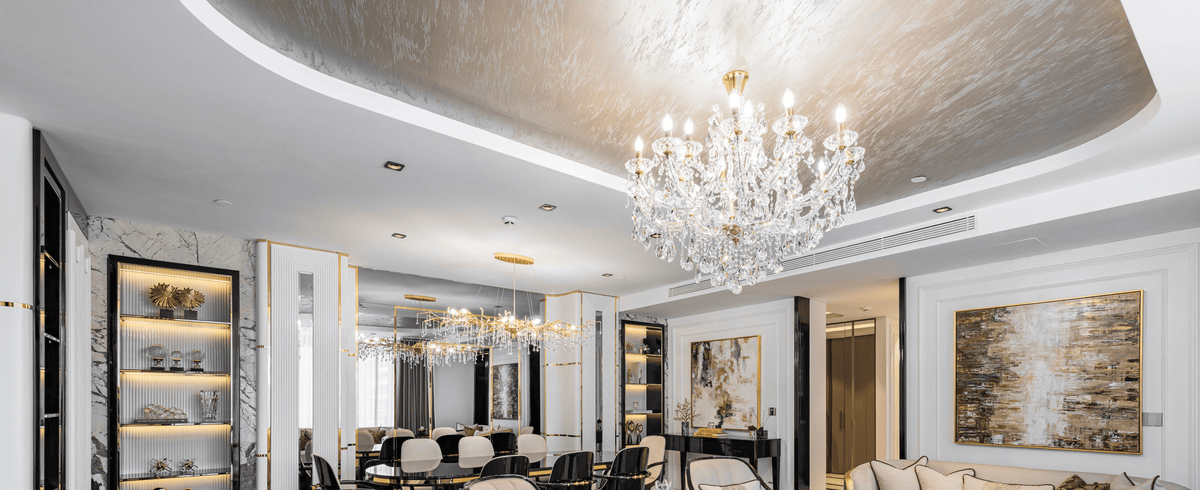
If drama and ambient glow matter most, chandeliers deserve your attention. More than a light source, they define a room’s character.
- Statement Piece: Chandeliers draw the eye and serve as the heartbeat of dining rooms, foyers, or living spaces. Their multi-arm designs create visual impact.
- Ambient Illumination: The wide spread of bulbs delivers a balanced, ambient light, filling large areas with an even brightness.
- Vertical Space Utilization: High ceilings and expansive rooms call for bold fixtures—chandeliers bridge the gap, making big spaces feel more intimate and cohesive.
There’s a chandelier to fit nearly every décor, from minimalist sputnik styles to ornate, crystal-laden classics. This flexibility allows you to amplify both light and elegance in your chosen room.
Comparing Pendant vs Chandelier Lighting: Key Factors
Let’s break down essential considerations that influence whether pendant or chandelier lighting best suits your space.
Room Size and Ceiling Height
- Low Ceilings (Under 8 Feet): Pendants generally accommodate these spaces better. You won’t risk bumping your head or making the room feel cramped.
- High Ceilings (Over 9 Feet): Chandeliers excel here, using vertical airspace efficiently and adding grandeur to tall rooms.
- Small to Medium Rooms: Pendants or small-scale chandeliers work well, ensuring the space isn’t overshadowed by a massive fixture.
- Expansive Rooms: Large chandeliers can anchor open floor plans or grand entryways.
Lighting Purpose
- Task Lighting: Pendant lights focus illumination, ideal for kitchens, studies, or workspaces.
- General/Accent Lighting: Chandeliers spread light broadly, lending themselves to living rooms, dining areas, or entry halls where atmosphere trumps focused beams.
Style and Decor
- Modern or Minimalist Spaces: Sleek pendants match clean lines and simple palettes.
- Classic or Formal Rooms: Crystal or vintage-inspired chandeliers elevate traditional décor.
- Eclectic or Artistic Rooms: Mix and match—unusual pendants can add a fresh twist, while contemporary chandeliers introduce unexpected flair.
Installation and Maintenance
- Pendants tend to be lighter and easier for a single person to install, reposition, or clean.
- Chandeliers, especially large designs, often need professional installation and periodic thorough cleaning due to their size and complexity.
Budget Considerations
- Pendants typically cost less, unless opting for luxury materials or custom options.
- Chandeliers span a vast range—from affordable to extravagant—depending on size, material, brand, and number of bulbs.
Remember, investing in lighting pays off in ambiance, functionality, and even home value, so balance initial costs against long-term benefits.
Matching Lighting to Room Functions
The best lighting accentuates your room’s purpose. Here’s how pendant vs chandelier lighting stack up in common household zones.
Kitchen
- Pendants are the go-to for islands, bars, or sinks, offering strong, direct light for meal prep.
- Chandeliers can work above kitchen tables or eat-in nooks, adding a welcoming feel, though they rarely provide adequate task lighting alone.
Dining Room
- Chandeliers are classic here—centered above a dining table, they create an inviting focal point.
- Pendants (either a single oversized or a trio) can suit contemporary spaces, especially in smaller dining areas.
Living Room
- Chandeliers fill open living areas with ambient light and infuse style.
- Pendants highlight reading corners or create layered light when paired with floor/table lamps.
Bedroom
- Pendants placed over nightstands free up surface space and add intimacy.
- Chandeliers introduce glamour and sophistication, especially with dimmable controls for softness.
Entryway or Foyer
- Chandeliers set an impressive tone for visitors in double-height or spacious entries.
- Pendants fit modestly sized foyers where an ornate fixture would dominate.
Mixing Both: Layered Lighting for Perfect Ambiance
Why not blend the best of pendant and chandelier lighting? Layered lighting schemes increase visual interest and adapt to how you use each space.
- Suspend a chandelier in the living room’s center, then tuck pendants near reading zones.
- Use a pair of pendants above bedside tables, while a small chandelier adds romance overhead.
- Place pendants over the kitchen island and a coordinating chandelier above a dining area in open-plan layouts.
Layering lets you adjust light levels, enhance functionality, and express personal style seamlessly.
Practical Tips for Choosing the Right Fixture
Finalize your pendant vs chandelier lighting choice with these expert insights:
- Measure First: Fabrics shrink, but lights don’t! Jot down your room’s dimensions and ceiling height before buying.
- Mind Proportions: Oversized setups overwhelm small rooms, while tiny fixtures get lost in vast spaces.
- Think Wiring: Changing fixture types can affect rewiring needs—factor this into your decision and budget.
- Control Options: Add dimmers to tailor brightness for every occasion and maximize energy efficiency.
- Complement Existing Decor: Lighting should complement, not clash with, your room’s furniture and color scheme.
Conclusion
Whether you crave the functional grace of pendants or the bold drama of a chandelier, your lighting choice can elevate every space at home. Select with care, and let your personality shine as brightly as your new fixture.
For more illuminated living, explore our latest lighting guides and start brightening up your world today!